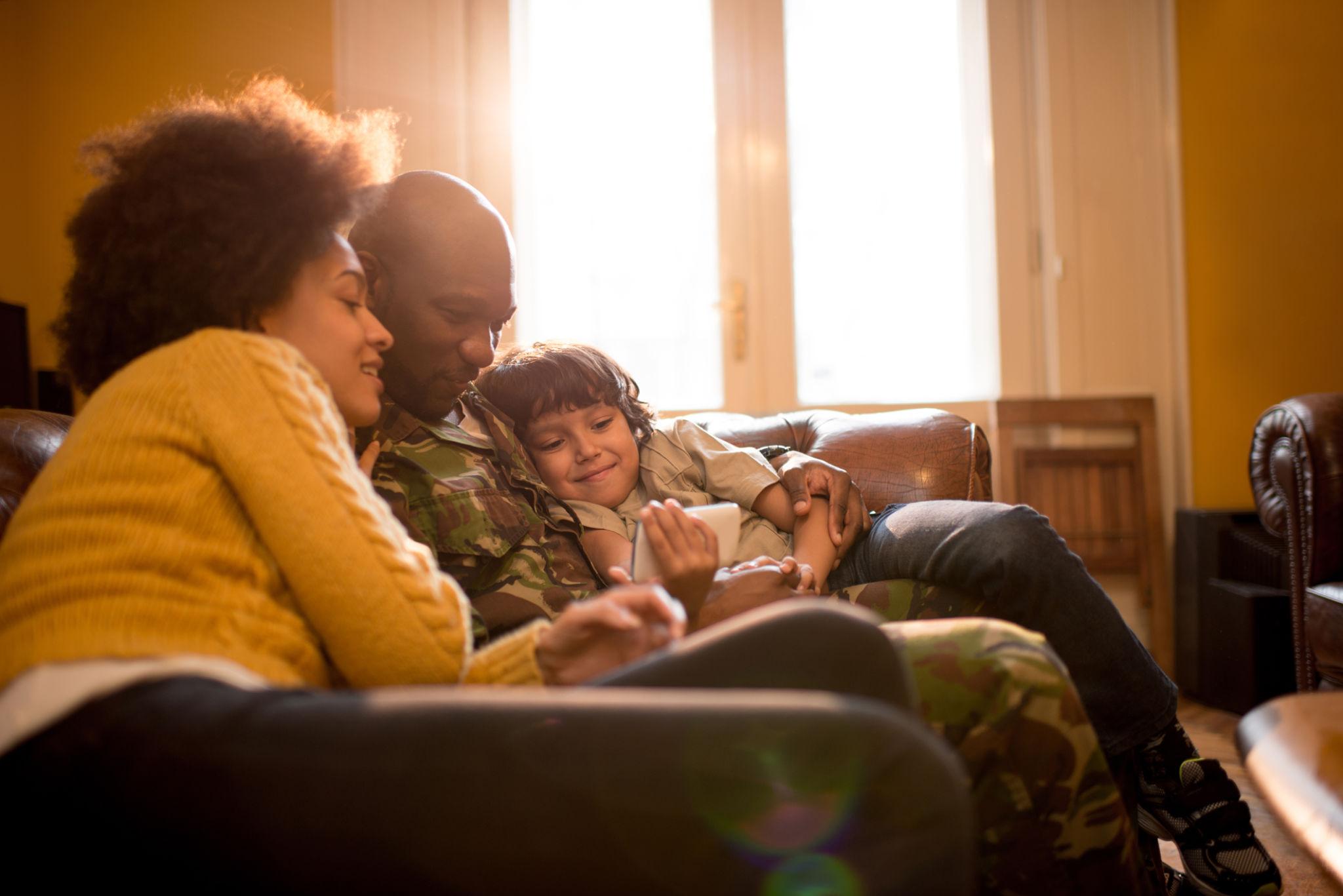
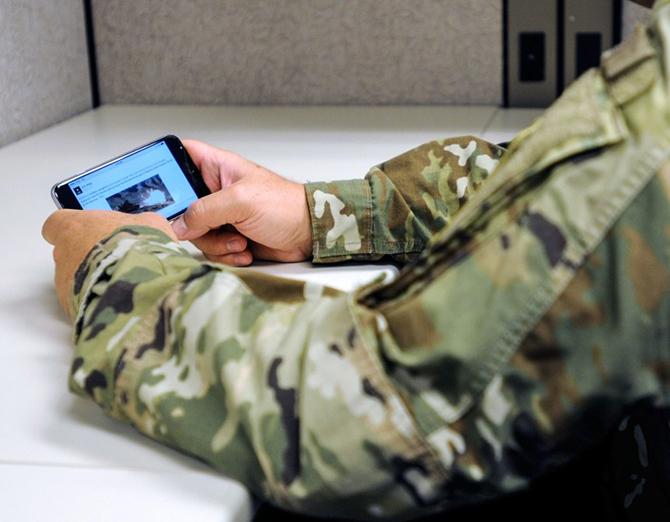
Building an audience as a military-connected creator means sharing real life, and real life for this community includes deployments, duty stations, and the people you love in uniform. That's exactly where OPSEC and content creation start to overlap, and getting it wrong isn't a minor slip-up. It's a safety issue with real consequences.
The core rule underneath every specific guideline
If you wouldn't say it out loud in a public setting, in formation, or to a stranger on the street, it shouldn't go on social media either, no matter how private you think your account is. Privacy settings do not reliably protect you, screenshots exist, accounts get compromised, and posts get shared further than you intend constantly. Treat everything you post as if it could eventually become fully public, because functionally, it can.
What never goes on any platform, personal account included
Specific deployment or homecoming dates are the single most cited OPSEC violation, and it's an easy one to make with zero bad intent, since you're often just excited or anxious and want to share. Say "deploying sometime this fall" or "he's home now," not the actual date. Unit locations, movement schedules, and mission details are never appropriate to share, even in vague form, and this applies whether you're an active duty creator, a spouse, or a family member posting about someone else's service. Photos deserve their own scrutiny before posting, since background details, uniform patches, visible equipment, and even embedded photo metadata can reveal far more than the caption does. And if you hear about a casualty or an incident before next of kin has been officially notified and the DoD has released information, that information stays private, full stop, regardless of how the news reaches you.
The specific risk of monetized content
Here's where content creation adds a layer OPSEC guidance built for personal social media doesn't always address directly: an audience, a posting schedule, and financial incentive can quietly push a creator toward oversharing in ways that pure personal use rarely does. A sponsor wants authentic behind-the-scenes content. A growing audience rewards specificity and detail. Both of those pressures cut directly against OPSEC's core principle of vagueness and restraint, and it's worth naming that tension honestly rather than pretending it doesn't exist for creators specifically.
Turn off geotagging and location services on any device you use for content, not just your personal phone. Review every photo and video before it goes live, specifically looking for background details you weren't thinking about when you hit record, patches, base signage, visible schedules on a whiteboard, anything that narrows down where and when this was filmed. And build in a delay between filming and posting when the content involves your service member's schedule or location, since real-time posting is exactly the pattern that creates the most risk.
What you can share, and it's more than you'd think
None of this means going silent about your military connection. You can absolutely share your pride, your experience, and the emotional reality of this life. "So proud of my soldier" works. "He's braving this heat like always" works. The rule of thumb is specificity, not silence: share the feeling and the general experience, hold back the exact details that would let a stranger reconstruct where, when, and who.
Building an audience around military life is entirely compatible with keeping your family and your service member safe. It just requires treating OPSEC as part of your content strategy from day one, not an afterthought you tighten up after something goes wrong.