Brand deals are one of the most real ways military-connected creators turn an audience into income. For active duty creators specifically, one detail can turn an otherwise fine partnership into an ethics violation: what you're wearing, and what your account says about who you are, when that sponsored content goes live.
The rule underneath the rule
Federal ethics standards prohibit using your official position, title, or government status for private financial gain, or in any way that implies the government sanctions or endorses a product, service, or business. This isn't a military-specific quirk, it comes from the Standards of Ethical Conduct that apply across the executive branch, and DoD-specific policy builds directly on top of it. The core question a review would ask isn't "did you break a rule about clothing." It's "did this content create the impression that the Department of Defense or your branch of service is endorsing something for pay."
Why the uniform specifically is the trigger
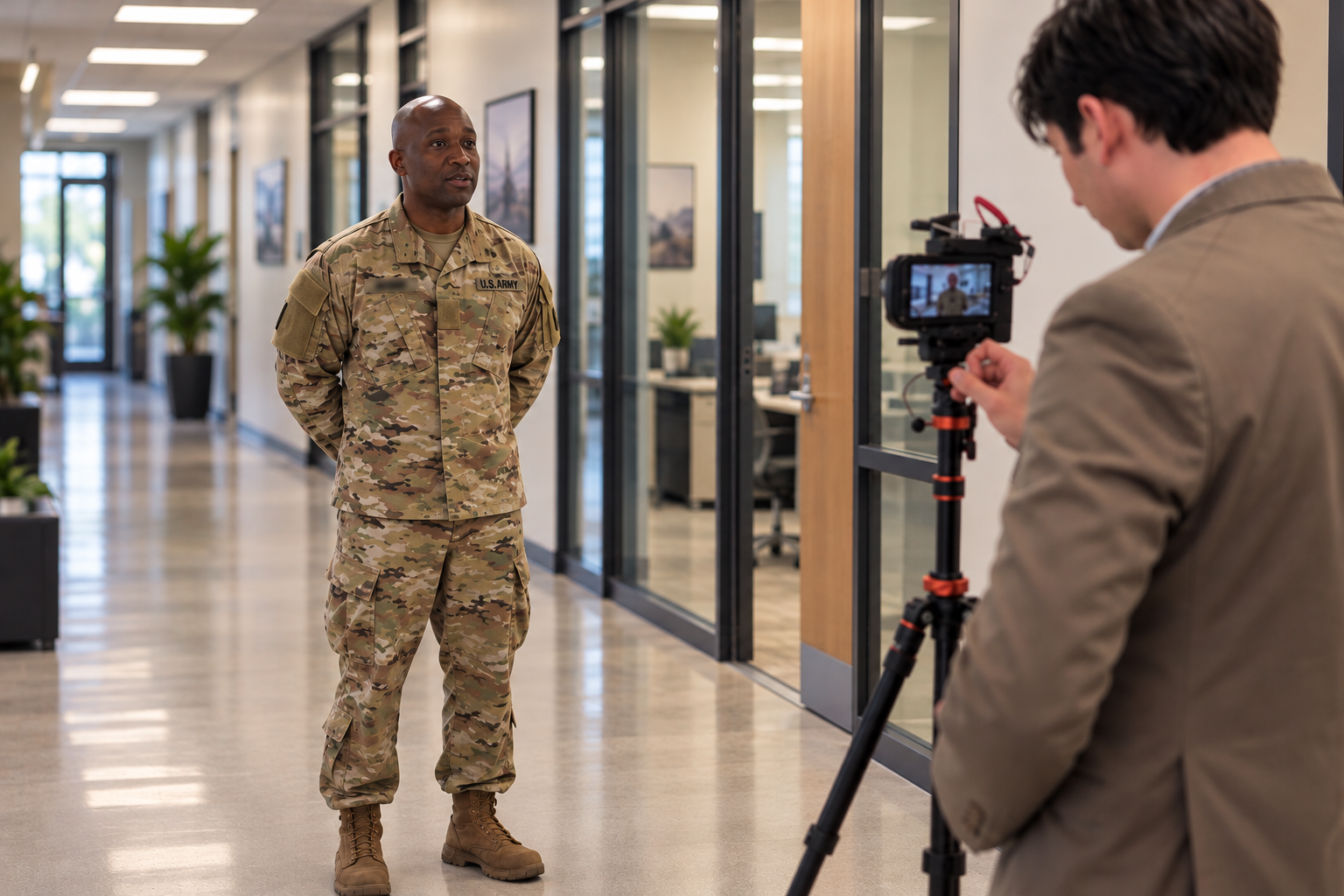
DoD's instruction on wearing the uniform explicitly prohibits it in connection with commercial interests when doing so could create an inference of official sponsorship. Appearing in uniform while promoting a product isn't automatically a problem in every context, official command photos and public affairs content are handled differently, but appearing in uniform specifically as part of paid, personal promotional content is exactly the scenario this rule was written to address. The Pentagon's own guidance has walked through a real example: an active-duty service member reviewing a product in uniform, identifying their status, and including a purchase link, even with a personal disclaimer in their bio, was found to have inappropriately used their official position to endorse a commercial product for private gain. The disclaimer did not fix it, because a disclaimer clarifies that an account is personal, it does not erase the endorsement effect of appearing in uniform while promoting something for pay.
What a disclaimer actually does, and doesn't do
A standard disclaimer, something like "views are my own and do not represent the Department of Defense," is genuinely useful and recommended for personal accounts that reference military status or show uniform imagery at all. What it does is clarify that the account isn't an official DoD channel. What it does not do is grant permission to use your uniform or official title to endorse a paid product or service. Those are two separate issues, and conflating them is the most common mistake creators make.
What actually works instead
Sponsored content in civilian clothes, filmed off-duty, with no reference to rank, unit, or official position, sits in much safer territory, since it removes the specific elements that create an appearance of official endorsement. Content that discusses your military-connected life and experience in general terms, without implying DoD sanction of a specific commercial product, is generally fine. And if a brand partnership specifically wants uniform imagery or references your official status as part of the pitch, that is worth a direct conversation with your unit's ethics counselor or judge advocate before you agree to anything, since the request itself is a signal the arrangement may need review.
When in doubt, ask before you post
Every service branch has ethics counsel available specifically for questions like this, and asking before a partnership goes live is always the safer move than asking forgiveness after a violation gets flagged. This is not about discouraging active duty creators from monetizing their platform. It's about protecting the specific line between your personal brand and your official position, so you can keep building the first without putting the second at risk.